Interviewing and Career Enhancement
Life’s short. You only get one career. It’s important to make it all it can be.
The Interviewing Strategy You Need to Know About
Our recruitment experts analyze thousands of sales and marketing interviews each year. Over the past 20 years, job seekers at virtually every career level have used our interviewing strategy with astoundingly positive results.
KAS developed this approach around a few core interviewing objectives.
- Give candidates a clear interviewing prep framework with a beginning and end.
- Allow candidates to compete with applicants who have more experience.
- Assist candidates in differentiating themselves from others.
- Help candidates feel more at ease on a personal level.


What Is Effective Interview Preparation?
There is an analogy our recruiters give job seekers when it comes to interview preparation.
Bridging the Gap of Our Preparation Theory
In many ways, it is similar to how a politician would approach a debate. Here’s why it’s similar and how you can use this to be more persuasive.
- Politicians don’t know what they’ll be asked. So they don’t start with questions. Instead, they start with the priorities and motivations of the audience.
- From there, they determine the key points they want to communicate. Then, they prepare to work those points naturally into the conversation, regardless of the specific questions they receive.
- A combination of research, creative thinking and an understanding of common employer behavior can tell you a great deal about what an employer is likely to prioritize.
Job seekers obviously don’t have access to teams of researchers, strategists and polling experts. Fortunately, you don’t need them.

How Do You Determine What’s Important to an Interviewer?
When determining what to focus on an interview, we must look at the interviewer and company as separate entities.
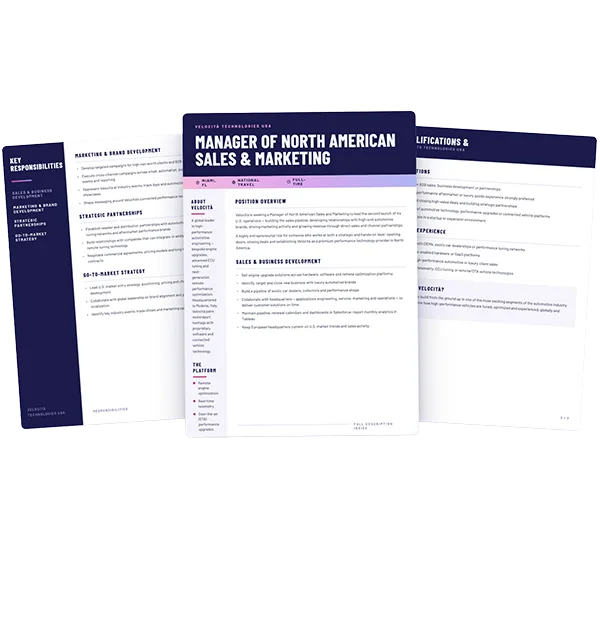
This is a much more effective interviewing strategy than looking at the cumulative job description. Many job seekers struggle attempting to prepare for each . The reason is that every job description has a long list of experience, traits, and skills necessary to do the job.
The issue is that just because a skill is listed on a job description does not mean it’s a priority or a must-have. So, how do you determine what’s important to an interviewer? The natural answer is to prioritize the skills listed first. Not necessarily.
3 Questions to Determine Interviewer Priorities
Priorities change depending on whom you’re interviewing with. To get the most accurate indicator of what’s important to an interviewer, we have to separate that interviewer’s priorities from the company’s goals.
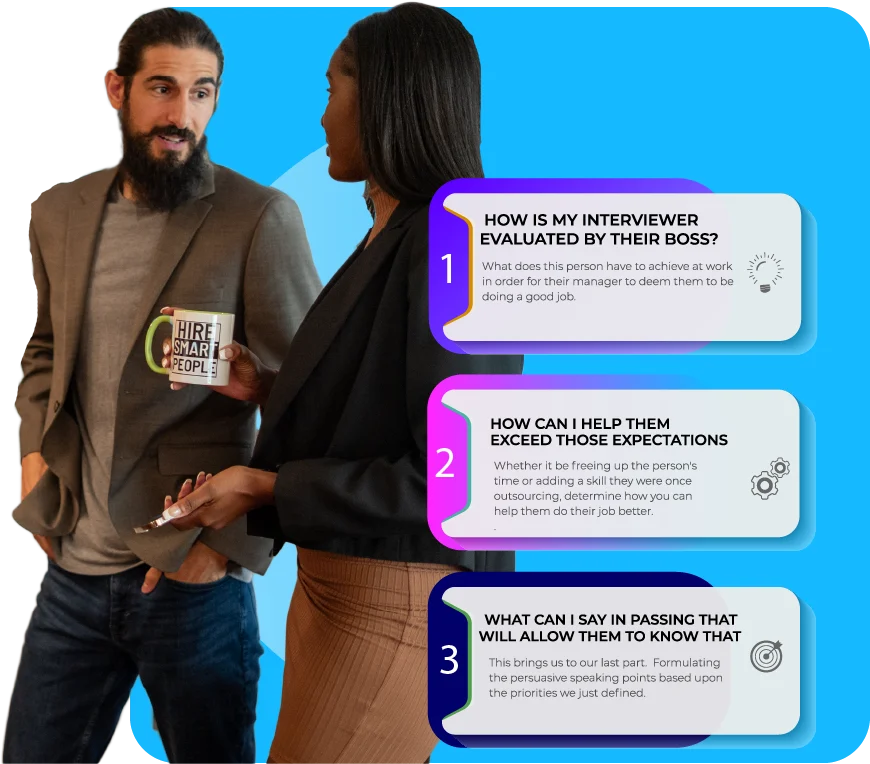
Your interview prep is most accurate when you take the time to answer three questions. These answers should steer the direction of your entire interview preparation.
- How Is My Interviewer Evaluated By Their Boss?
- How Can I Help Them Exceed Those Expectations?
- What Can I Say in Passing That Will Allow Them to Know I Can Help?
Let’s Put This to Work
Suppose you’re interviewing for a sales management or higher executive-level sales position. In this case, you’re interviewing with the CEO.
Now Let’s Refer to Those Three Questions Above
- How is my interviewer evaluated by their boss?
- How can I help them exceed those expectations?
- What can I say in passing that will tell them I can help?
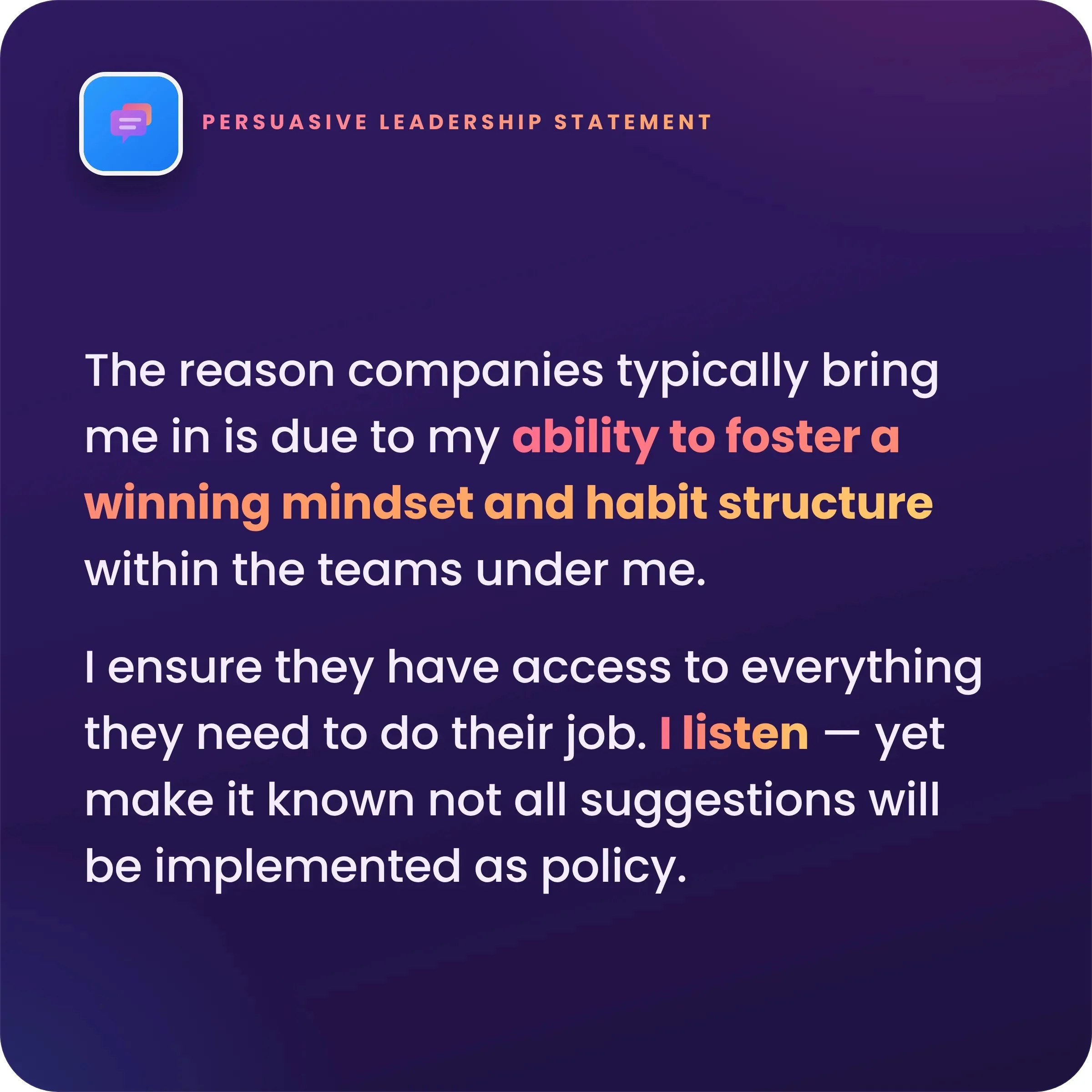
Turning Priorities Into Persuasive Statements
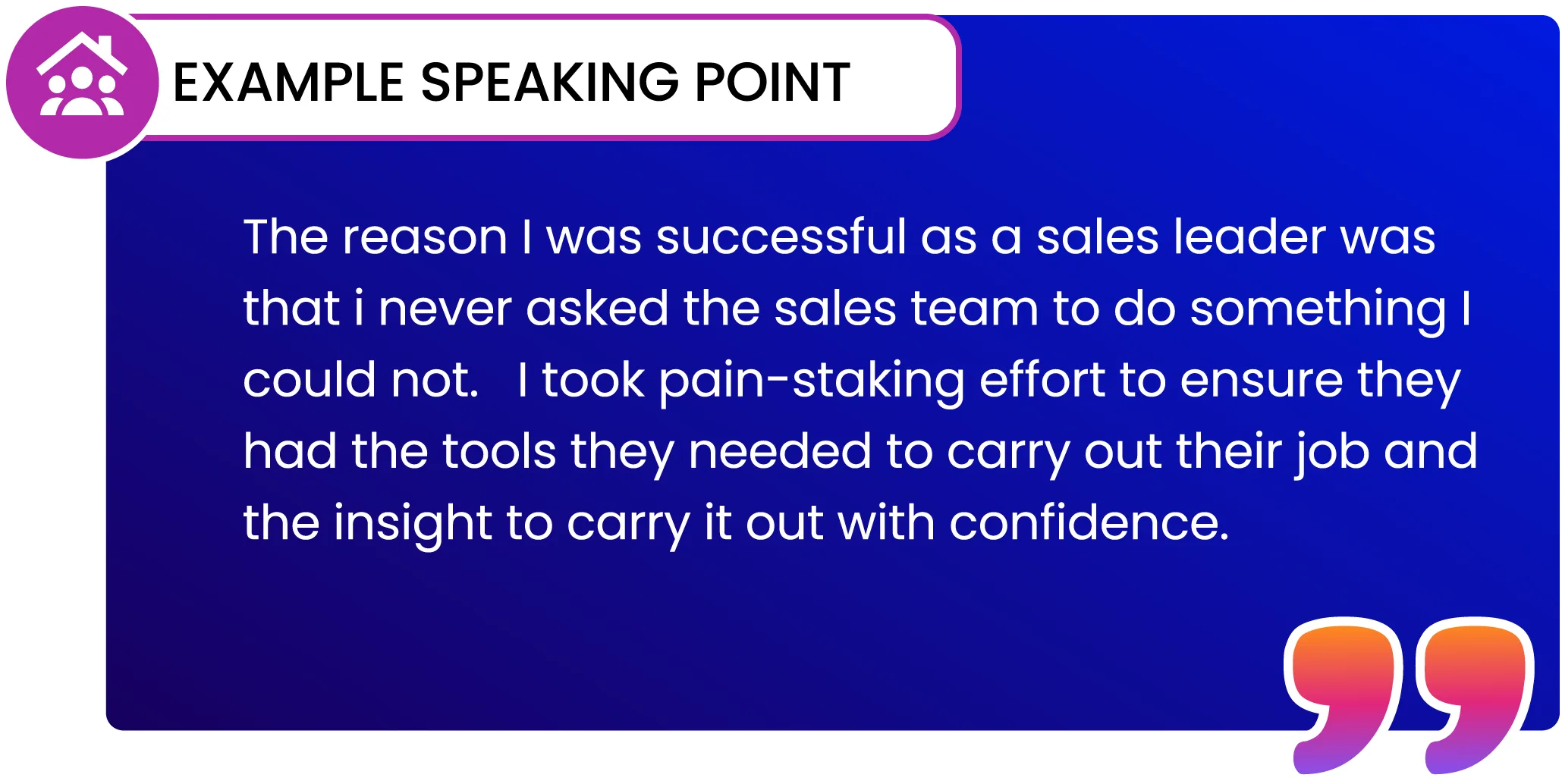
Per the above assumptions, selling an interviewer on your leadership abilities, productivity and ability to drive towards ambitious objectives and long-term potential should come in the natural flow of conversation. Finally, working in the persuasive talking points you come up typically is easiest when discussing past jobs.